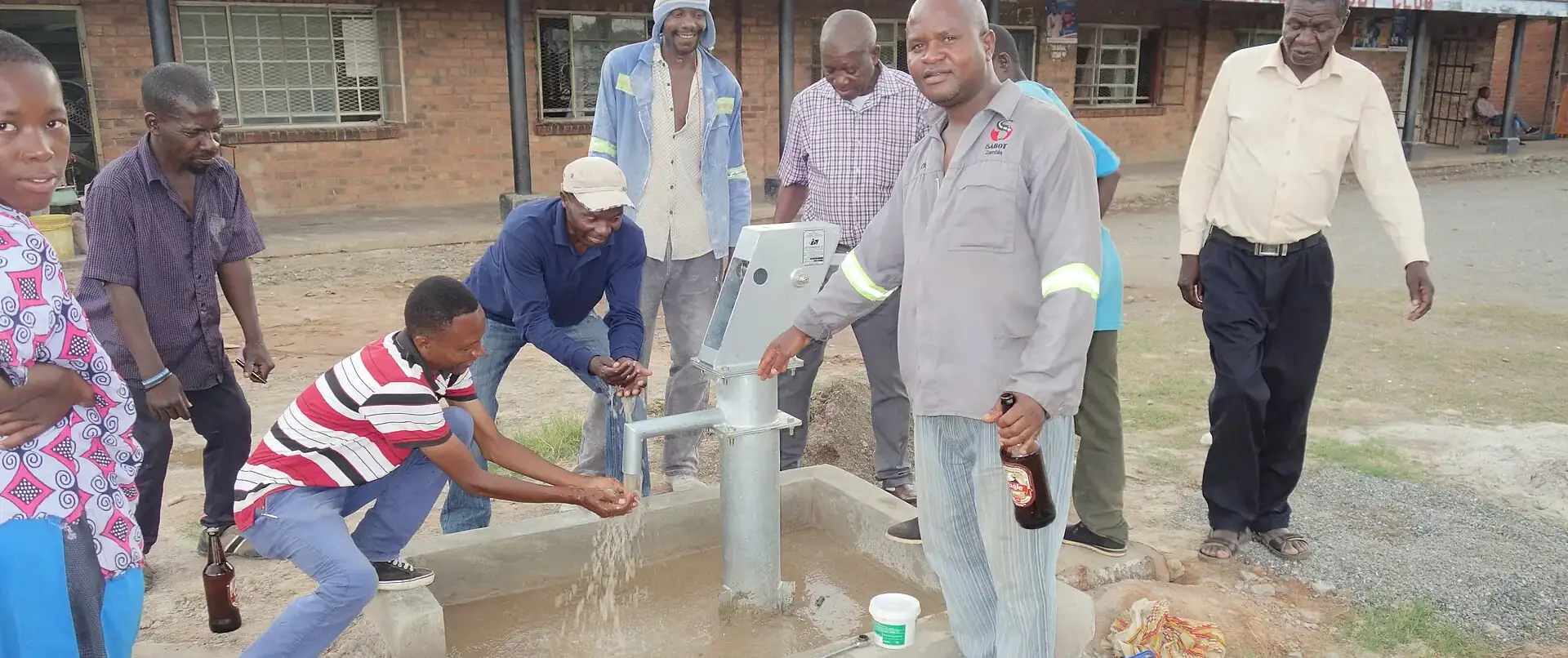
Depth is what separates the models
A hand pump has to lift water from the pumping water level, which is the level the water falls to while the pump is being worked, not from the bottom of the borehole. That distinction is the single most common source of specification error.
Deep-well lever pumps such as the U2 and the India Mark II operate with the cylinder set well below the water level and are the standard choice for the deeper community boreholes typical of Ugandan basement terrain. The U3 is intended for shallower settings, and rewards you with lighter operation and simpler maintenance where the water level allows it.
Village-level maintenance is the real criterion
A pump that can only be repaired by a district technician with a vehicle will be out of service for weeks at a time. A pump whose common failures, worn seals, a broken rod, a leaking rising main, can be fixed by a trained caretaker with the tools the community already owns will be out of service for hours.
This is why the pump most widely used in a district is often the right choice even when a different model looks superior in the catalogue. Spare parts exist in the local hardware shop, mechanics know the design, and the community has seen it repaired before.
What we specify and why
Sub Saharan Drilling supplies, installs and commissions U2, U3 and India Mark II hand pumps, and can install submersible pump sets where a power supply, solar or grid, is available and demand justifies it.
- Rising main and rod material chosen for the depth and the water chemistry, not simply for the lowest unit price.
- Stainless steel components where water is aggressive, because galvanised parts in corrosive water fail fast and stain the water red.
- Cylinder set at a depth that keeps it submerged at the lowest expected dry-season water level.
- A full pump test at commissioning, in front of the water user committee.
Solar and submersible options
For schools, health centres, trading centres and irrigation, a hand pump is often the wrong tool: the demand is too high and the queue too long. A submersible pump with a solar array and a raised tank moves far more water per day and allows tap stands and livestock troughs.
The trade-off is capital cost, theft risk and a maintenance burden that a village caretaker cannot carry alone. These systems need an institution behind them with a budget line, which is precisely why they suit institutions rather than dispersed rural households.
Questions
Which hand pump is best for a deep borehole?
For deeper community boreholes in Uganda, deep-well lever pumps such as the U2 and the India Mark II are the standard choice, with the cylinder set below the lowest expected pumping water level. The U3 suits shallower settings.
Can you install a solar submersible system instead of a hand pump?
Yes. Where demand justifies it and an institution can maintain it, a solar submersible pump with a raised tank and tap stands delivers far more water per day than a hand pump. Ask for it when requesting a quotation.
Talk it through with the drilling team
Estimates are free and carry no obligation. Call +256 793 036 679 or send the details of your site.